


How Custom Orthotics Improve Mobility at Any Age (2026)

July 23, 2026

Custom orthotics are prescription medical devices engineered to support, align, and improve the function of your feet. Unlike generic inserts, these are custom-molded to your unique anatomy, providing targeted relief for conditions like plantar fasciitis and biomechanical imbalances while promoting long-term foot health and mobility for all ages.

What are custom orthotics and how do they work?

To understand how custom orthotics work, you must first understand the complex machinery of the human foot. Each foot contains 26 bones, 33 joints, and over 100 muscles, tendons, and ligaments. When any part of this system is misaligned, it creates a ripple effect throughout the entire kinetic chain, leading to pain in the ankles, knees, hips, and even the lower back.

Custom orthotics act as a corrective foundation. By capturing a precise 3D map of your foot, podiatrists can design an insert that controls abnormal motion, such as overpronation (rolling inward) or oversupination (rolling outward). These devices are not just cushions; they are biomechanical tools that:

  • Realign the Subtalar Joint : This is the joint just below the ankle that controls the foot's side-to-side movement.
  • Distribute Pressure Evenly : By increasing the surface area of contact, orthotics reduce high-pressure zones that cause Calluses & Corns .
  • Support the Medial Longitudinal Arch : This prevents the collapse of the foot structure during the gait cycle.
  • Shock Absorption : High-quality materials dampen the impact of every step, protecting joints from wear and tear.
  • Improve Efficiency : By optimizing foot position, your muscles don't have to work as hard to maintain balance and propulsion.

At Next Step Foot & Ankle Centers , we utilize advanced diagnostic technology to ensure your orthotics are perfectly matched to your pathology. Whether you need rigid functional orthotics to control motion or soft accommodative orthotics to provide cushioning for sensitive areas, the goal is always to restore natural, pain-free movement.

Why are custom orthotics better than store-bought inserts?

Many patients wonder if the "one-size-fits-all" inserts found at drugstores are a viable alternative to professional Orthotics, Bracing, Diabetic Shoes . While over-the-counter (OTC) inserts can provide temporary comfort for minor fatigue, they lack the diagnostic precision and durability required to treat chronic conditions.

The primary difference lies in the word "prescription." A store-bought insert is designed based on an average foot shape, which rarely exists in reality. In contrast, custom orthotics are crafted after a comprehensive biomechanical evaluation by Our Doctors . Using generic inserts for a specific condition like Plantar Fasciitis is often like wearing someone else’s eyeglasses; it might provide a slight change, but it won't correct your specific vision.

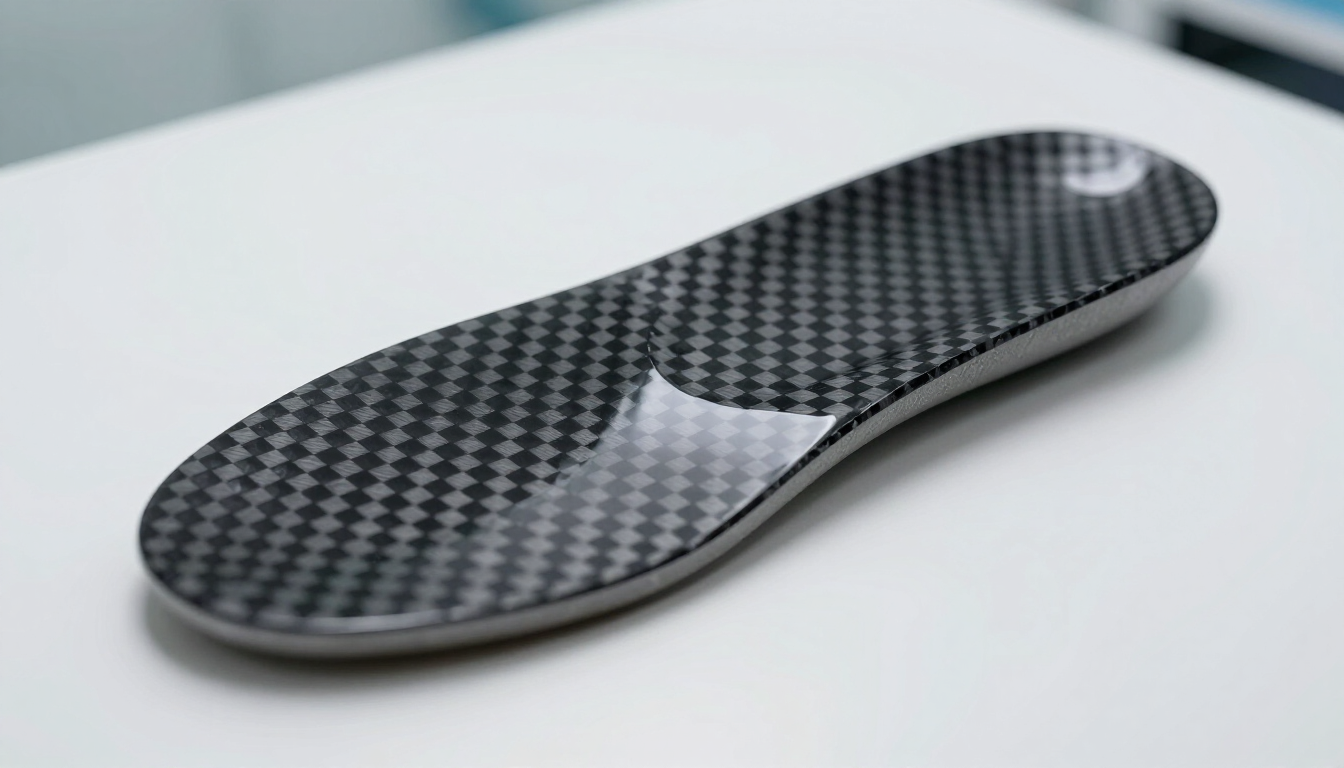
Furthermore, custom orthotics are made from medical-grade materials such as polypropylene, carbon fiber, and specialized EVA foams. These materials are designed to maintain their shape for years, whereas retail inserts often flatten out within a few months of daily use. When you invest in custom devices, you are investing in a long-term medical solution rather than a temporary cushion.

Pediatric Foot Health

Pediatric Orthotics: Correcting Issues Early

Childhood is a critical window for foot development. Many parents notice their children walking with their toes pointed inward (in-toeing) or outward (out-toeing), or perhaps they observe that the child’s arches seem completely flat when standing. While some of these issues resolve with growth, others can lead to permanent structural changes if left unaddressed.

Pediatric Foot Care often involves the use of custom orthotics to guide the development of the growing foot. By maintaining proper alignment during the developmental years, we can prevent the progression of deformities that would otherwise require Surgery in adulthood. Common reasons for pediatric orthotics include:

  1. Pediatric Flatfoot : Providing an arch to prevent strain on the developing tendons.
  2. Sever’s Disease : Managing Heel Pain caused by inflammation of the growth plate.
  3. Gait Abnormalities : Correcting issues that cause children to trip or tire easily during physical activity.
  4. Scoliosis or Limb Length Discrepancy : Balancing the foundation to prevent secondary spinal or hip issues.

Early intervention with orthotics ensures that children can remain active, participate in sports, and develop a healthy musculoskeletal system without the hindrance of chronic foot fatigue.

Do custom orthotics help with sports performance and injury?

Athletes put extraordinary stress on their feet, often generating forces several times their body weight during running and jumping. For many, Sports Injuries are the result of minor biomechanical flaws that become major problems under the repetitive stress of training.

Custom orthotics are a game-changer for athletes in Missouri and Illinois. They provide the stability needed to prevent Achilles Tendon Injuries and help manage the stress that leads to shin splints or stress fractures. By optimizing the foot's position at the moment of impact, orthotics ensure that energy is transferred efficiently through the leg, which can actually improve athletic performance and endurance.

Custom Orthotic Close-up

Specifically, for athletes suffering from Bunions , orthotics can slow the progression of the deformity by reducing the pressure on the great toe joint. If conservative measures aren't enough, our specialists are experts in the Lapiplasty® 3D Bunion Correction , but orthotics remain a primary defense in preventing the need for such procedures in the first place.

How do orthotics support the aging foot?

As we age, the feet undergo significant changes. The natural fat pads on the bottom of the feet begin to thin (atrophy), the ligaments lose elasticity, and conditions like Arthritis can make every step painful. For seniors, foot health is directly tied to independence and fall prevention.

Custom orthotics for older adults focus on "accommodative" support. This means they are designed to cushion sensitive areas, protect against Wound Care issues in patients with diabetes, and provide a stable base of support to improve balance. For those managing Diabetic Foot Care , custom inserts are vital for preventing pressure sores that could lead to serious infections.

Additionally, for patients who have undergone Total Ankle Replacement , custom orthotics can help protect the new joint by ensuring the foot is striking the ground in an optimal position. By reducing pain and increasing stability, orthotics allow seniors to maintain an active lifestyle, which is essential for cardiovascular health and mental well-being.

The Precision of Custom Orthotic Fabrication

At Next Step Foot & Ankle Centers, the process of creating your orthotics is rooted in medical science. It begins with a comprehensive physical exam where your podiatrist evaluates your range of motion, muscle strength, and gait pattern. We don't just look at your feet; we look at how you move.

We then use state-of-the-art 3D scanning or traditional casting to create a perfect replica of your feet in their "neutral" position. This model is sent to a specialized laboratory where technicians follow the podiatrist's exact prescription. This prescription might include "postings" (wedges) to tilt the foot, "cut-outs" to relieve pressure on a specific bone, or specialized top covers to manage moisture and friction, which is particularly helpful for patients dealing with Fungal Toenails or Ingrown Toenails .

Seniors Walking

Long-Term Benefits of Orthotic Therapy

Adopting orthotic therapy is a proactive step toward systemic health. Because the feet are the foundation of the body, their alignment dictates the health of the joints above them. Many patients find that after wearing their custom orthotics for a few weeks, their chronic lower back pain or hip stiffness begins to dissipate.

Furthermore, orthotics serve as a preventative measure. By correcting a minor misalignment today, you are preventing the development of Hammertoes , severe bunions, and degenerative joint disease in the future. It is a non-invasive, drug-free way to manage pain and improve your quality of life.

If you are a New Patient , we invite you to visit one of our many locations, such as the Alton, IL Office , St. Peters, MO Office , or Watson Road, MO Office , to see how this technology can benefit you.

Summary of Custom Orthotic Benefits

Custom orthotics offer a tailored solution for foot and ankle pain that generic inserts simply cannot match. By addressing the root cause of biomechanical issues, these devices provide relief for patients ranging from toddlers to seniors. Whether you are looking to enhance athletic performance, prevent the progression of a deformity, or maintain your independence in your later years, orthotics are a foundational element of comprehensive podiatric care.

Key Takeaways:

  • Custom orthotics are prescription medical devices, not simple cushions.
  • They provide structural correction for children to prevent future surgery.
  • Athletes use them to prevent injuries like Achilles tendonitis and plantar fasciitis.
  • Seniors benefit from improved balance and protection for diabetic foot health.
  • Professional fitting and high-quality materials ensure durability and effectiveness.

Ready to take the next step toward pain-free living? Contact us today to schedule a consultation with our expert team.

A person walking on a sunny beach representing summer foot safety.
June 18, 2026
Discover 7 essential summer foot safety tips to protect your feet during warm weather activities. Learn how to prevent injuries and stay active all season!
A pair of high-quality walking shoes representing good foot health.
April 30, 2026
Discover how your footwear might be causing foot pain, bunions, and plantar fasciitis. Learn what to look for in a healthy shoe for better mobility.

Professional athlete recovering from injury and returning to sport.
April 17, 2026
Don't let foot or ankle pain keep you on the sidelines. Learn how a sports medicine podiatrist helps athletes recover from injuries and return to the game safely.

By VIV Builder April 9, 2026
Stay active and pain-free this Foot Health Awareness Month. Learn about heel pain, orthotics, diabetic foot care, and sports injury treatment options.
By VIV Builder April 1, 2026
Achilles tendonitis can develop gradually, causing heel pain and stiffness that worsens over time. Learn the warning signs and how a podiatrist can help you get back on your feet.
By VIV Builder March 5, 2026
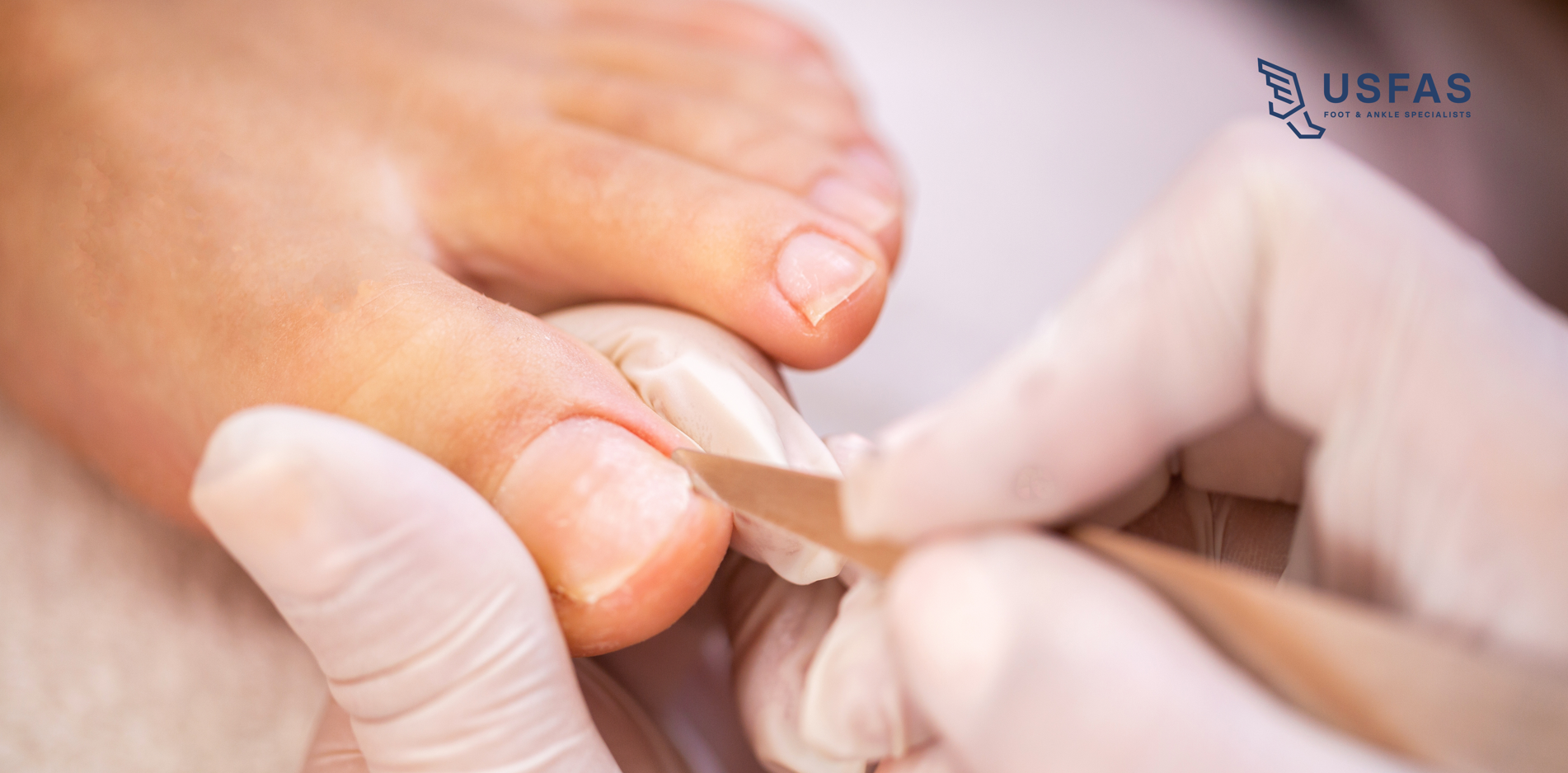
Ingrown toenails are a common foot condition that can start as a minor irritation and quickly become painful. Learn more about how we can help with ingrown toenails.
By VIV Builder February 19, 2026
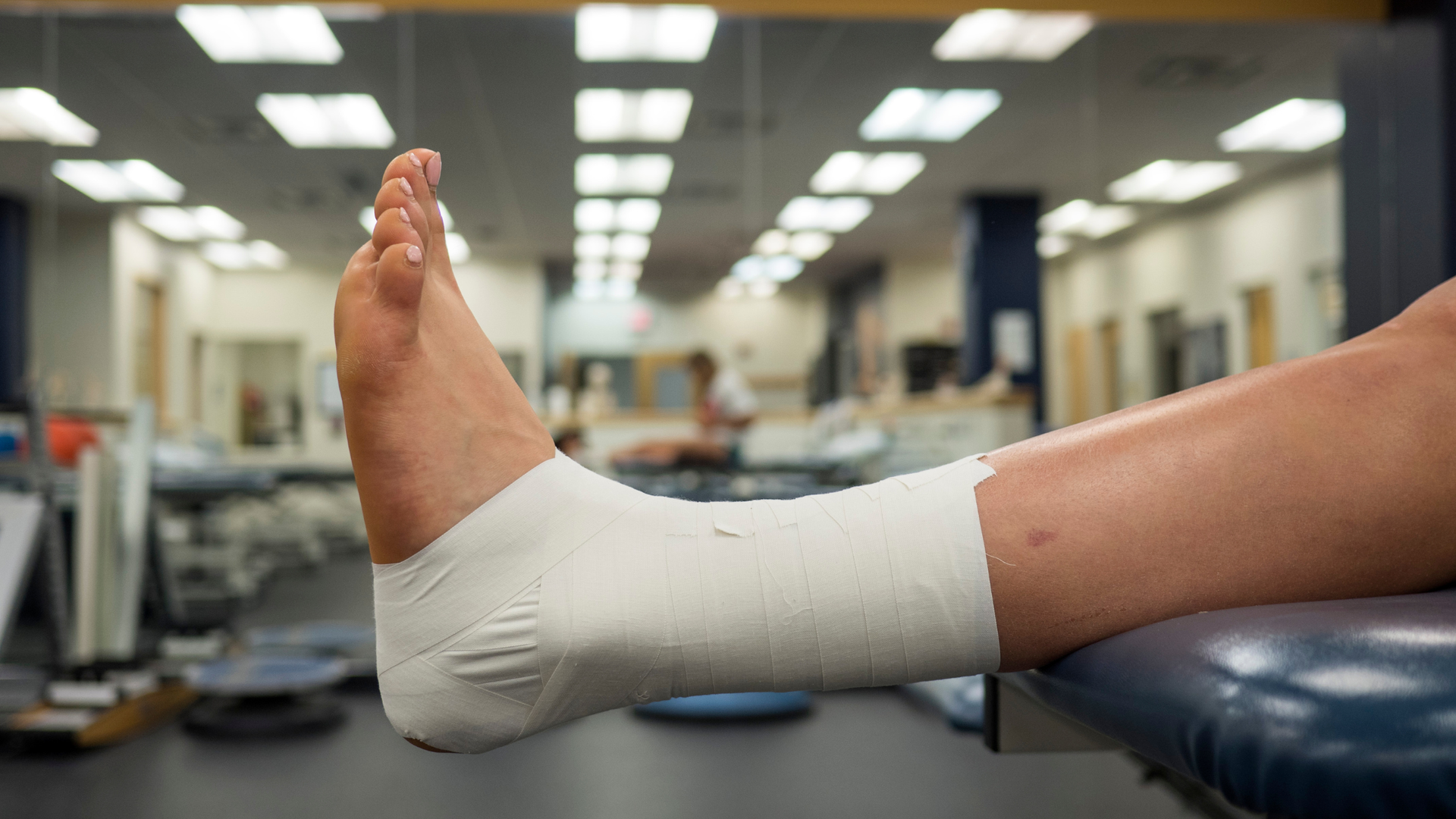
Ankle sprains are one of the most common foot and ankle injuries, yet they're often brushed off as no big deal. The truth is, even a mild sprain deserves proper care.
By VIV Builder February 5, 2026
Show Your Feet Some Love This February
By Blake Diekmann January 23, 2026
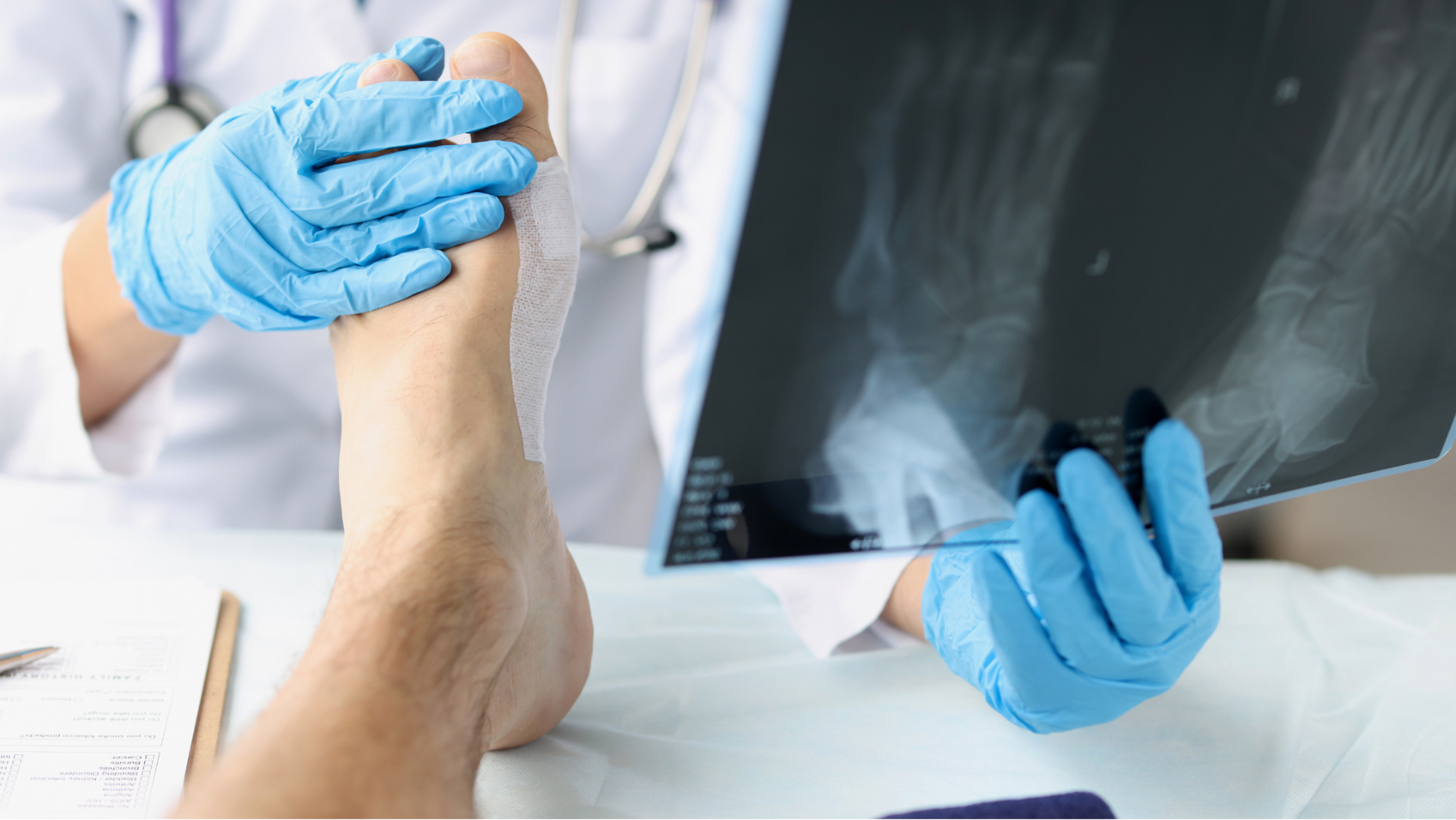
Understanding Podiatry Many people experience foot or ankle pain at some point, but they are not always sure where to turn for care. A podiatrist is a medical doctor who specializes in diagnosing and treating conditions of the foot and ankle. Their goal is to help patients move comfortably, stay active, and avoid pain that interferes with daily life. Podiatrists receive specialized medical training focused entirely on the feet and ankles. Because these areas support the entire body, even minor issues can have a big impact if left untreated. What Conditions Do Podiatrists Treat? Podiatrists treat a wide range of foot and ankle conditions for patients of all ages. From common concerns like heel pain and ingrown toenails to more complex issues such as sports injuries and diabetic foot conditions, podiatrists are trained to handle both routine and advanced care. They also address structural problems, skin and nail conditions, and injuries that affect mobility. By identifying the root cause of foot or ankle pain, podiatrists help patients find long-term relief rather than temporary fixes. When Should You See a Podiatrist? Foot pain is not something you have to live with. If you notice ongoing discomfort, changes in how you walk, or issues with your toenails or skin, it may be time to see a podiatrist. Early care can help prevent small problems from becoming more serious and can reduce recovery time. Patients with diabetes should also see a podiatrist regularly to help prevent complications and maintain foot health. What to Expect During Your Visit During a podiatry appointment, your provider will take time to understand your symptoms and lifestyle. They will examine your feet and ankles and may recommend imaging or other tests if needed. Based on their findings, they will create a personalized treatment plan tailored to your needs. Many podiatry treatments can be done in the office, allowing patients to return to normal activities quickly. Why Foot Health Matters Your feet play a major role in your overall health. Ongoing foot or ankle pain can lead to posture changes and strain on the knees, hips, and lower back. Proper foot care helps keep your entire body moving the way it should. Seeing a podiatrist is an important step in maintaining mobility and preventing future problems. Take the Next Step Toward Better Foot Health If foot or ankle pain is affecting your daily life, a podiatrist can help. With the right care and treatment, many conditions can be managed or resolved. Scheduling an appointment with a podiatrist is a simple step that can make a lasting difference in your comfort and mobility.
By VIV Builder January 9, 2026
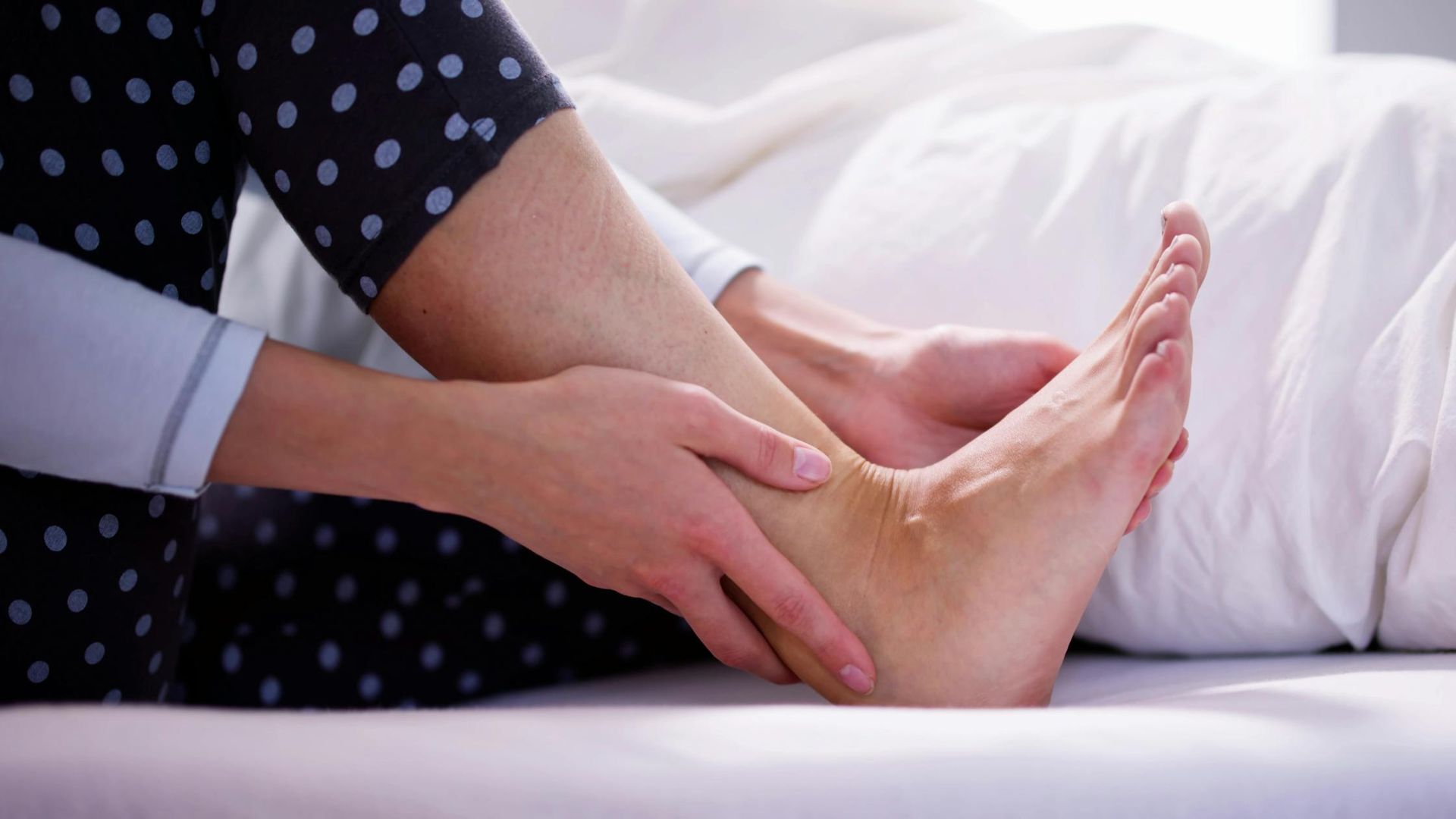
A New Year Shouldn’t Start With Pain The beginning of a new year often comes with fresh goals—being more active, feeling healthier, and getting back to routines you enjoy. But heel pain can quickly get in the way. When every step hurts, even small tasks can feel frustrating. Heel pain is one of the most common foot issues treated by podiatrists. Many people try to ignore it or hope it will go away on its own, but without proper care, heel pain often lingers or gets worse over time. Why Heel Pain Happens Heel pain can develop for several reasons, and it often builds gradually. One of the most common causes is plantar fasciitis, which occurs when the tissue supporting the arch of the foot becomes inflamed. Other causes may include strain on the Achilles tendon, wearing shoes without proper support, or spending long hours on your feet. Pain is often most noticeable in the morning or after long periods of rest. While it may ease as you move around, it tends to return and can worsen without treatment. Common Conditions Linked to Heel Pain While heel pain feels similar for many people, the underlying cause can vary. Some of the most common conditions include: Plantar fasciitis Heel spurs Achilles tendon irritation Overuse or repetitive strain injuries Identifying the exact cause is key to getting the right treatment and long-term relief. Why Early Treatment Matters Ignoring heel pain can lead to changes in the way you walk. Over time, this can place added stress on your ankles, knees, hips, and lower back. What starts as foot pain can turn into discomfort throughout your body. Seeing a podiatrist early can help prevent these issues and reduce recovery time. Most heel pain can be treated without surgery when addressed promptly. How a Podiatrist Can Help A podiatrist specializes in foot and ankle care and can create a treatment plan tailored to your needs. Treatment may include stretching exercises, custom orthotics, footwear guidance, or other therapies designed to reduce pain and inflammation. With the right approach, many patients begin to feel relief and regain mobility. Step Into the New Year With Confidence Heel pain does not have to define your year. With proper care and treatment, you can move more comfortably and get back to doing the things you enjoy. If heel pain is holding you back, schedule a visit with a podiatrist and take the first step toward a healthier, pain-free new year.

Show More